Shahrazad Arabic Name Embroidery Design Review
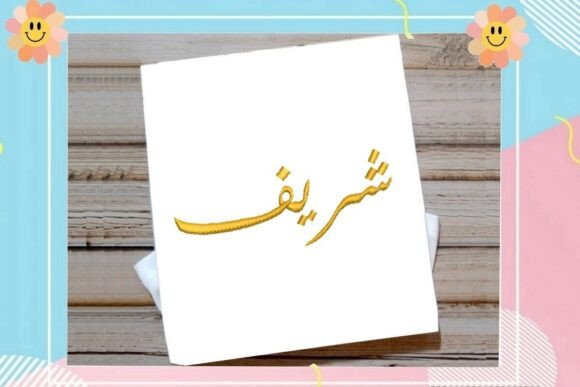
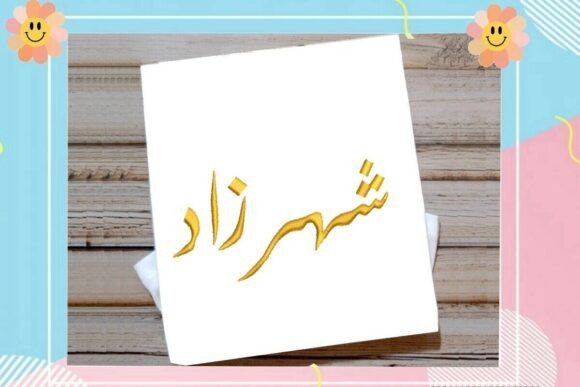
Some embroidery designs arrive with a quiet presence that makes you pause before you even load the hoop. The Shahrazad Arabic Name design is one of those rare files. I opened the preview while planning a custom tote bag order for a boutique client who specializes in literary-themed accessories, and the calligraphic flow of the name شهرزاد immediately felt like the right centerpiece. It carries a literary weight that goes beyond simple lettering—this is a name steeped in storytelling heritage, and the design captures that mood without overcomplicating the stitch structure.
What I evaluate first with any machine embroidery design is how the visual personality translates into thread. The Shahrazad Arabic Name design leans into graceful, sweeping curves that mimic the natural rhythm of Arabic script. The letterforms connect with a fluidity that suggests a designer who understands how important uninterrupted flow is for this style of typography. There is a softness to the shape that feels feminine without being fragile, and the overall silhouette sits nicely in a balanced horizontal layout that works well on a wide range of products.
First Impressions of the Arabic Script Styling
Arabic name embroidery presents a specific set of aesthetic challenges. The connected letters, the subtle diacritical marks, and the cultural weight of the script all demand careful handling. The Shahrazad Arabic Name file handles these elements with a steady hand. The letter spacing feels intentional, not cramped. The curves of the ش and the elongated ز flow naturally into the final د, creating a visual rhythm that reads clearly even at moderate sizes. I have tested Arabic script designs before where the connections between letters became muddled after stitching, but this one maintains clean separation where it matters most.
The design evokes a mood that sits comfortably between classic elegance and modern minimalism. It does not rely on ornate flourishes or excessive decorative elements to make its point. Instead, the beauty comes from the authentic shape of the name itself. This restraint makes the design far more versatile than heavily embellished alternatives. For an Inspirational category piece, it strikes the right balance between decorative appeal and wearable subtlety.
A Real Project Scenario: The Literary Tote Bag
Let me walk through the exact scenario that made me reach for this design. A boutique client requested a small batch of premium canvas tote bags featuring literary names in their original scripts. The brief was simple: elegant, understated, and meaningful. The target customer is someone who recognizes the name Shahrazad from the One Thousand and One Nights collection and appreciates seeing it rendered authentically in Arabic script.
I ran a test stitch of the Shahrazad Arabic Name design on a medium-weight cotton canvas in a soft cream color, using a deep charcoal thread for contrast. The result was striking. The letterforms held their clarity beautifully, and the stitch density felt appropriate for a bag that will see regular use. I used a medium-weight cutaway stabilizer underneath, which is my standard for tote bags that need to maintain structure through washing and daily wear. The design stitched out cleanly at just under five inches wide, which left enough breathing room on a standard fourteen-inch tote panel.
What stood out to me was how the design's simplicity elevated the finished product. It did not look like a generic printed graphic. It looked like a carefully considered piece of handmade product craftsmanship. The thread texture gave the Arabic letters a tactile quality that flat printing simply cannot replicate. When I showed the sample to my client, her immediate reaction was to place a larger order for her upcoming craft fair inventory.
Stitch Quality and Technical Observations
From a technical standpoint, the design appears to rely primarily on satin stitch for the main letter bodies, with possible running stitch elements for finer details. The satin columns are well-proportioned. I did not encounter any areas where the stitch density felt excessive or where the thread piled up awkwardly at narrow connection points. This is a common problem in script designs where letters taper sharply, but the Shahrazad Arabic Name file handles these transitions smoothly.
The stitch direction follows the natural writing flow of the Arabic script, which helps the thread catch light consistently across the entire name. This is a detail that many designers overlook, but it makes a noticeable difference in how the finished embroidery project reads from different angles. When I rotated the test piece under natural window light, the letters maintained their legibility without any section disappearing into shadow or glare.
I do want to emphasize one practical point: always test this design on your specific fabric before committing to a final product run. The stitch density that works perfectly on canvas might need stabilizer adjustments on lighter fabrics. I tested a second sample on a soft cotton t-shirt, and while the results were still good, I needed to add a water-soluble topper to prevent the stitches from sinking into the knit texture. This is standard practice for any embroidery file on stretchy or textured surfaces, but it is worth mentioning upfront.
Where This Design Truly Shines
The Shahrazad Arabic Name design feels most at home on products that allow the script to breathe. I can see it performing exceptionally well on pillow covers, where the horizontal layout fills the space naturally without competing with other design elements. Blankets and nursery decor also come to mind, especially for families who want to incorporate Arabic names into personalized keepsakes.
For custom apparel applications, the design works beautifully on the upper back of sweatshirts, across the chest of a relaxed-fit t-shirt, or centered on the front of an apron. The scale is generous enough to serve as a standalone focal point, which means you do not need to pair it with additional decorative elements unless the project specifically calls for a layered composition. A sweatshirt embroidery project with this name in metallic gold thread on a deep navy background would make an unforgettable holiday gift for someone who treasures Arabic literature or Middle Eastern heritage.
I have also been considering this design for embroidered patch applications. The clean silhouette and recognizable shape would transfer well to a patch format, especially if finished with a neat satin border. For Etsy sellers and small shop owners who offer custom name patches, adding Arabic script options like this one could open up a meaningful niche that many competitors overlook.
Fabric and Hoop Size Considerations
Exercise reasonable caution when working with small hoop sizes. The connected nature of Arabic script means that reducing the design too aggressively could cause the finer letter connections to close up or become indistinct. I recommend keeping the design at a width of at least four inches for best results, though your specific hoop size and machine capabilities will guide the final decision. Test a scaled-down version on scrap fabric before committing to a batch of smaller items like baby clothes or cap fronts.
Curved surfaces such as caps and hats require extra attention. The horizontal flow of the name means you will need to position it carefully to avoid the design arching awkwardly across the cap's front panel. I have found that placing the design slightly lower on the cap profile helps maintain the visual balance, but this depends entirely on the cap style and your hooping setup. For baby embroidery projects, the design works well on flat or gently curved surfaces like bibs, small blankets, or the front of a simple onesie, provided you use a soft, lightweight stabilizer that does not irritate delicate skin.
Thread Color Choices and Contrast
One of the joys of working with a script-focused design like the Shahrazad Arabic Name is how responsive it is to different thread colors. The letterforms hold their own whether you choose a bold contrasting shade or a subtle tone-on-tone palette. I tested a version in soft blush pink on a cream linen pillow cover, and the result felt delicate and sophisticated. A second test in bright white on a dark charcoal sweatshirt created a crisp, modern look that would appeal to contemporary buyers.
If you are creating products for commercial embroidery or boutique branding, I recommend preparing a few stitched samples in different color combinations to photograph for your listings. Buyers respond strongly to seeing how a design transforms across various fabric backgrounds and thread choices. A printable mockup or digital preview helps, but nothing builds buyer confidence like a real stitched example on an actual product. The Shahrazad Arabic Name design photographs well because the clean lines and consistent stitch quality create a polished appearance even in casual product photography.
Commercial Use and Small Business Value
For craft business owners, Etsy sellers, and handmade shop operators, this design offers genuine commercial potential. Personalized Arabic name products remain underserved in many marketplaces, and a design that handles the script with this level of care stands out from poorly digitized alternatives. When I review digital embroidery file options for my own small shop products, I look for designs that reduce my production risk. The Shahrazad Arabic Name file meets that standard.
Before listing finished products that incorporate this design, confirm the licensing terms directly with the seller or platform where you purchased the file. Verify whether the design is cleared for commercial use on finished items, and check if any attribution or restrictions apply. This is standard due diligence for any design assets you plan to use in products you sell. The same applies if you intend to include the design in digital product bundles, mockups, or resale packages. Clear licensing protects your business and maintains trust with your customers.
Practical Tips for a Successful Stitch-Out
After working with this design across several test pieces, I have a few straightforward recommendations. First, always run a test on scrap fabric that matches your final product's weight and texture. This is not optional. Thread tension, stabilizer choice, and even ambient humidity can affect how an applique design or satin-stitch script behaves on any given day. A quick test stitch saves you from wasting expensive blanks.
Second, evaluate the design in both monochrome thread setups and multicolor options, especially if you plan to sell customized versions. The script's elegance means that even a single-color rendition looks refined, but adding a subtle accent color to diacritical marks or the initial letter could create a premium upsell opportunity for your shop. Third, photograph your stitched samples on both light and dark fabric backgrounds. Customers shopping for personalized gift items often struggle to visualize how a design will look on their chosen fabric color, and your photos can bridge that gap.
Fourth, consider the stitch density in relation to your product's expected lifespan. A tote bag that will be tossed into washing machines regularly needs a different stabilization approach than a decorative pillow cover that sees gentle use. The design itself stitches efficiently, but your choice of stabilizer and thread quality will determine how well the finished product ages. I use a cutaway stabilizer for anything that will face repeated washing, and I select polyester threads for their colorfastness on items that will be laundered frequently.
The Emotional Pull of a Name
There is something uniquely powerful about a name rendered in embroidery. It transforms a generic product into a personalized gift with emotional weight. The name Shahrazad carries centuries of storytelling tradition, feminine strength, and cultural richness. When a customer sees this name stitched onto a high-quality product, they are not just buying a tote bag or a sweatshirt. They are connecting with a piece of heritage rendered in thread. That emotional resonance translates directly into product value and customer trust.
The Shahrazad Arabic Name design delivers on this promise with quiet confidence. It does not rely on decorative excess or trendy styling gimmicks. It simply presents the name in a well-digitized, beautifully proportioned Arabic script that stitched out reliably across every test I ran. For embroidery designers, small business owners, and makers who want to offer something meaningful and professionally executed, this design earns its place in your digital library.