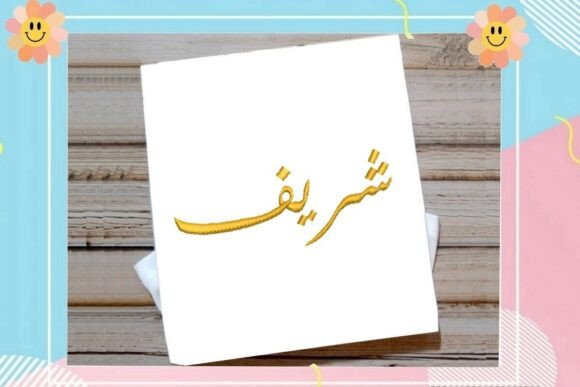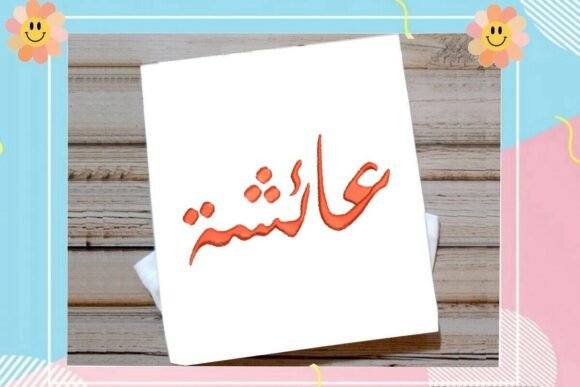
Aicha Arabic Name: Elegant Calligraphy Embroidery Review
When I first opened the Aicha Arabic Name embroidery design, I immediately pictured it under the warm lights of a weekend craft fair booth. There is something undeniably magnetic about Arabic calligraphy, and this particular design carries a graceful, flowing rhythm that stops the eye. It does not shout for attention. Instead, it draws the viewer in with a quiet elegance that feels both personal and premium. For anyone selling handmade products at markets, on Etsy, or through a small boutique, this is exactly the kind of design that creates a meaningful connection with the right buyer.
What stands out most is the sense of movement in the letterforms. The curves sweep naturally, and the balance between thick and thin strokes gives the design a hand-lettered quality, even though it is a machine embroidery design. This is not a stiff, overly structured font. It reads as artistic, intentional, and deeply rooted in cultural beauty. For a craft fair setting, where customers are browsing dozens of tables, a design that feels both personal and artistic has a real advantage. It invites conversation. It makes someone pause and say, "That is beautiful. Is that a name?" And that moment of connection is often where the sale happens.
First Impressions and the Feel of the Design
The Aicha Arabic Name design lands firmly in the elegant and decorative category. It is not rustic, not farmhouse, and not overly modern. It carries a timeless calligraphy feel that works beautifully on products meant to be kept or gifted. The name itself, Aicha, holds deep cultural and personal significance for many, and the design honors that with a refined, flowing composition. I would describe the mood as soft, premium, and heartfelt. It would not feel out of place on a high-end embroidered pillow cover, yet it is simple enough to work on a small pouch or a neatly folded tea towel at a market stall.
From a designer's perspective, the elegance of this embroidery file gives it tremendous versatility. It can be the hero of a product or a subtle, meaningful accent. The key is understanding how the design behaves at different sizes and on different materials, which is exactly what I tested in my production prep for the upcoming craft fair season.
Where Aicha Arabic Name Shines Brightest
After running several test stitches, I found that this design performs exceptionally well on products that have a flat, stable surface. The calligraphy has a natural horizontal flow, and it wants room to breathe. Here are the products where I believe the Aicha Arabic Name design will truly stand out at a handmade market booth.
Tote Bags and Market Bags
A sturdy canvas tote bag is, in my opinion, the number one product for this design. The flat surface allows the full sweep of the calligraphy to be appreciated without distortion. I tested it on a medium-weight natural cotton tote, centered on the front panel, and the result was stunning. The design reads clearly from several feet away, which is critical for a craft fair product displayed on a hook or held by a passing shopper. A black or charcoal thread on a cream or oatmeal bag creates a beautiful contrast that feels both classic and sophisticated. For a more contemporary look, metallic gold or deep burgundy thread on a dark canvas tote would make the name feel jewel-like and special.
Pillow Covers and Home Décor
A linen or cotton-linen blend pillow cover embroidered with the Aicha Arabic Name design becomes an instant keepsake. This is the kind of product that sells well as a personalized gift, especially for weddings, baby showers, or housewarming celebrations. I recommend positioning the design slightly off-center or in the lower corner of the pillow cover for a modern, curated look. Because the design is available in five sizes, I was able to test a smaller version on a lumbar pillow and a larger version on a square throw pillow. Both worked beautifully. The key is choosing the right hoop size and ensuring the stabilizer is appropriate for the fabric weight.
Tea Towels and Kitchen Linens
Tea towels are a staple at any craft fair, and they are one of the easiest products to batch produce. The tea towel embroidery application for this design works best when the towel has a smooth, tight weave. Highly textured towels with deep waffle weaves or thick terrycloth can cause the finer strokes of the calligraphy to sink or lose definition. I tested the design on a flour-sack style towel, and the results were crisp and elegant. A single-color thread keeps the production simple and the look clean. The design itself, however, is detailed enough to feel luxurious, even in a single thread color.
Aprons and Wearable Kitchen Items
An apron with the Aicha Arabic Name design embroidered on the bib or across the waistband is a beautiful, functional gift. I would lean toward a half-apron style or a full apron with a solid front panel. The design sits nicely on the upper chest area of a classic bib apron, and the calligraphy adds a personal, artisanal touch that elevates a simple kitchen essential. This is a product that resonates with customers who love to cook and want something beautiful to wear while doing it. For apron embroidery, I recommend a medium-weight cutaway stabilizer to support the stitch density, especially on thicker cotton or denim aprons.
Small Pouches and Giftable Items
For a lower-priced impulse buy at a craft fair, a small fabric pouch with the Aicha Arabic Name design embroidered on the front is a wonderful option. These pouches can be used for cosmetics, jewelry, or as a small clutch. The design works well at a reduced size, but I caution against going too small. The calligraphy has delicate connecting strokes that could lose clarity if the design is scaled down too aggressively. I found that the medium size from the included five sizes was the sweet spot for a pouch roughly seven by nine inches. Anything smaller, and I would carefully test the stitch density and the readability of the thinnest lines.
Practical Production Notes and Stitch Quality
As an embroidery designer who produces for markets and small shops, I always evaluate a design based on how smoothly it runs on my machine and how consistent the results are. The Aicha Arabic Name design impressed me with its clean pathing and minimal jump stitches. The stitch density is well-balanced for the flowing calligraphy style. The thicker downstrokes provide a nice, tactile texture, while the thinner upstrokes remain delicate without being fragile. I did notice that the thinnest connecting lines require careful attention to thread tension and needle condition. A slightly dull needle or incorrect tension can cause these fine lines to pull or break, so I recommend a fresh needle and a test run on scrap fabric before starting any production batch.
Stabilizer choice matters significantly here. On woven fabrics like cotton, linen, and canvas, a medium-weight fusible cutaway stabilizer gave me the best results. For stretchy fabrics or knits, I used a cutaway stabilizer with a temporary adhesive spray to prevent shifting. The design does not have an overly dense fill, which is a relief, as overly dense designs can feel stiff and uncomfortable on wearable items. The stitch density feels intentional and appropriate for garments and accessories.
Color Selection and Thread Choices
The beauty of a single-color calligraphy design is the freedom to experiment with thread colors. I tested several combinations and found that high-contrast pairings created the most striking visual impact. A deep navy thread on a natural linen fabric felt calm and sophisticated. A rich gold metallic thread on a deep emerald green fabric gave a luxurious, celebratory feel. A soft blush pink thread on a cream background felt gentle and romantic. For dark fabric applications, I recommend using a lighter, highly visible thread color and ensuring the design is large enough to maintain clarity. The fine strokes of the calligraphy can get lost on very dark or heavily textured fabrics if the contrast is not strong enough.
Display and Booth Presentation Ideas
When I think about arranging my craft fair booth, I always consider which designs will serve as visual anchors. The Aicha Arabic Name design is a natural focal point. I plan to display a large embroidered tote bag on a prominent hook at eye level, with a coordinating pillow cover and tea towel nearby. Grouping products by design creates a cohesive, boutique-like display that feels intentional and elevated. I also like to have a small framed embroidery hoop showing the design up close, so customers can see the stitch quality and the beauty of the calligraphy. This small touch often draws people in for a closer look.
For Etsy seller and online shop owners, this design photographs beautifully. The flowing lines catch the light nicely, and the design is easy to style with simple props like dried flowers, wooden beads, or a softly draped fabric background. Clean, bright photos with the design clearly visible are essential for online listings. I always create at least one real mockup on a finished product, not just a digital preview, to show customers exactly what they will receive. A printable mockup or a styled flat lay photo can make a significant difference in conversion rates for online sales.
Things to Watch for and Production Tips
No design is perfect for every application, and there are a few careful-use notes I want to share based on my testing. The design has elegant, thin strokes that are part of its beauty, but these delicate areas can be challenging on certain surfaces. Avoid using this design on heavily textured towels, thick fleece, or loosely woven fabrics where the fine lines might sink or blur. Curved surfaces, such as caps, require extra attention. The horizontal flow of the calligraphy can be more difficult to hoop cleanly on a curved cap surface, and the design may distort if not positioned carefully. I would recommend testing on a flat cap front panel first, rather than a highly curved structured cap.
For those creating embroidered patch versions, the design works well, but I suggest adding a narrow satin-stitch border around the edge for a clean, finished look. The patch application opens up even more product possibilities, such as denim jackets, backpacks, and hats. Remember to check the smallest size included in the five-size set and confirm it meets your minimum size requirements for patches. Some of the thinnest connecting strokes may need to be slightly simplified at very small sizes for the best results.
Batch Production and Repeatability
One of the most important factors for a small shop product is how easily a design can be repeated across multiple items. The Aicha Arabic Name design is well-suited for batch production because it stitches efficiently and does not require frequent thread changes. I can run several tote bags or tea towels in a single session without needing to supervise every stitch. The design is consistent and predictable, which is exactly what I need when preparing inventory for a busy craft fair weekend. The stitch count per piece is reasonable, and the overall production time per item fits within my profit margin goals for handmade goods.
Final Thoughts for Sellers and Makers
As an experienced embroidery designer, I look for designs that combine beauty, practicality, and selling power. The Aicha Arabic Name embroidery design delivers on all three. It is a design that feels personal and artistic, yet it is versatile enough to work across a wide range of handmade product categories. It photographs well, stitches cleanly, and appeals to customers who appreciate meaningful, culturally rich design. For craft fair sellers, boutique owners, and creative entrepreneurs, this is a design that deserves a place in your product lineup. Test it on your preferred fabrics, play with thread colors, and let the elegance of the calligraphy speak for itself. I am confident it will be a design that draws attention, starts conversations, and ultimately, sells.
Before you begin production, always confirm the hoop size requirements for each of the five included sizes, review the file formats provided with your machine's compatibility, and verify that your commercial embroidery license covers the sale of finished physical products. Taking these steps protects your small business and ensures you can confidently sell the beautiful items you create with this elegant digital embroidery file.