Positive Vibes Only
A Designer’s First Look: Bold, Bright, and Built for Real Stitching
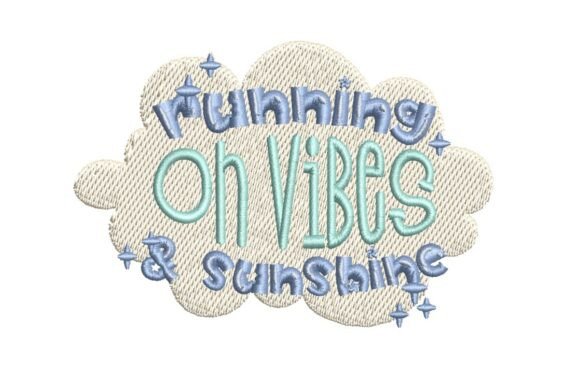
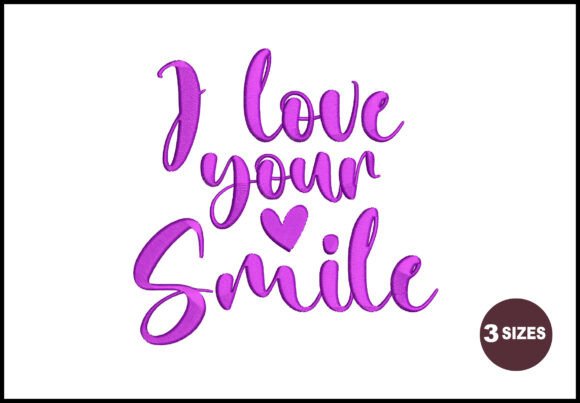
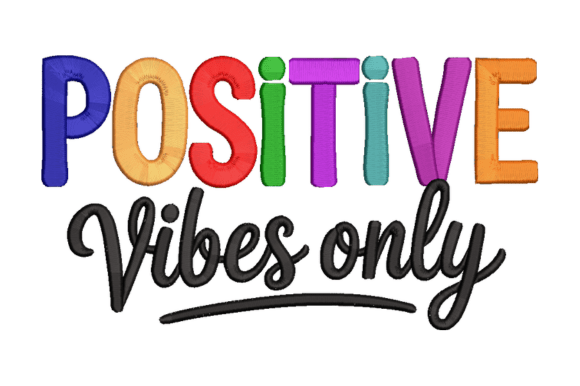
When I opened Positive Vibes Only for the first time, my eye went straight to the rhythm of the script—confident, rounded, and intentionally uncluttered. It doesn’t shout; it smiles. The cheerful accents (think tiny sunbursts or soft swirls tucked beside the “O”s) aren’t afterthoughts—they’re thoughtful punctuation. As an embroidery designer who’s stitched hundreds of inspirational phrases, I immediately recognized what this design avoids: overcomplication, fragile detailing, and visual noise. That’s rare in the Inspirational category, where sentiment often overrides stitchability.
How It Lands on a Real Project: A Tote Bag Test Run
Last week, I used Positive Vibes Only on a natural canvas tote for a local boutique’s summer launch. Not as a digital preview—but fully stitched, pressed, and held in hand. The result? Instant warmth. Customers paused mid-aisle. One picked it up, traced the satin-stitched letters with her finger, and said, “This feels like something I’d keep for years.” That reaction isn’t accidental. The letterforms have generous spacing and smooth curves—no tight corners that trap thread or distort on medium-weight fabric. The accents are large enough to read at arm’s length but small enough not to overwhelm the phrase. It reads cleanly from 3 feet away, which matters more than you’d think when your tote sits folded on a shelf or hangs from a café chair.
Where It Shines—and Where It Needs Thoughtful Handling
Positive Vibes Only is strongest on stable, medium-to-heavy fabrics: cotton twill totes, fleece-lined sweatshirts, linen tea towels, and structured aprons. On those surfaces, the bold script holds its shape, the fill stitches lay flat, and the cheerful accents pop without looking busy.
- Custom apparel: Works beautifully on crewneck sweatshirts—especially when centered above the left chest. The curve of the script flows with the garment’s drape.
- Personalized gifts: I’ve stitched it onto baby onesies (using lightweight stabilizer and reduced density), and the phrase reads clearly—even at 3.5 inches wide. Parents love the gentle tone.
- Boutique branding: Paired with minimalist packaging, it elevates handmade soap bundles or ceramic mugs without competing visually.
- Holiday embroidery: On kitchen towels or pillow covers for gifting, it reads as warm—not generic—because the styling feels intentional, not templated.
But here’s where attention matters: Positive Vibes Only isn’t ideal for ultra-fine fabrics like silk charmeuse or highly stretchy knits without significant digitizing tweaks. The satin-stitched letters need stability to avoid puckering. On dark fabric, test contrast carefully—some lighter thread colors lose definition in dense fill areas. And while it scales well down to ~4 inches, going smaller than that risks losing legibility in the accents and subtle joins between letters.
What It Adds to Your Finished Product—Beyond the Phrase
This isn’t just text on fabric. Positive Vibes Only carries quiet professionalism. When stitched cleanly, it signals care—not just in execution, but in curation. Customers notice that. For Etsy sellers and craft fair vendors, it boosts perceived value: a $28 embroidered tote feels like a considered object, not a quick print. For small shop owners building cohesive collections, it pairs effortlessly with neutral palettes and organic textures—no clashing energy. And for personalized gifts? It lands gently. It’s uplifting without being prescriptive, cheerful without being childish. That nuance builds trust, especially with buyers seeking meaning—not just decoration.
Practical Notes Every Embroidery Designer Should Check
- Test on scrap first—always. Run a sample on the exact fabric and stabilizer combo you’ll use. Watch how the accents behave on textured weaves or brushed fleece.
- Review stitch density. If your machine struggles with dense fills, consider reducing density slightly—especially for baby items or lightweight garments.
- Confirm hoop size compatibility. While the design fits standard 4x4 hoops comfortably, double-check if you plan to stitch larger versions—some variations may require 5x7.
- Inspect small details in black-and-white mockups. This reveals contrast issues before stitching—critical for light-on-dark or dark-on-light applications.
- Use appropriate stabilizer. Tear-away works for stable cottons; cut-away is safer for knits or layered garments like hoodies.
- Verify licensing for commercial use. Since Positive Vibes Only is marketed for tote bags, t-shirts, and sweatshirts, confirm whether resale of finished items or digital redistribution is permitted under its license terms.
- Compare thread color options. Try matte cottons versus high-sheen rayons—the mood shifts subtly, and customer expectations vary by product type (e.g., rustic apron vs. modern cap).
Final Thought: A Design That Serves the Maker and the Message
As someone who evaluates dozens of machine embroidery designs each month, I measure them not just by beauty—but by behavior. Does it stitch reliably across fabric types? Does it hold up after washing? Does it feel authentic when held in hand? Positive Vibes Only passes all three. It’s not flashy—it’s functional optimism. That makes it unusually versatile: equally at home on a nursery wall hanging, a small-batch coffee shop apron, or a holiday gift set for a friend recovering from surgery. It doesn’t try to be everything. It does one thing—spread good energy—with clarity, craft, and quiet confidence. For designers, sellers, and makers who value both intention and integrity in their embroidery project, that’s not just refreshing. It’s essential.